Biophilic Design: Benefits, Principles & How to Create a Nature-Inspired Home

Lifestyle & Design Inspiration
- April 14, 2026
- 10 min read
Introduction
As humans, we share an undeniable connection with nature. Its elements have a profound impact on our well-being. Ever noticed how a bright, sunny morning instantly lifts your mood, while a grey, rainy day leaves you feeling a little low?
Think about your happiest moments; they’re often rooted in the outdoors. A walk along a sandy beach, time spent in a lush forest, or even a quiet moment in a garden, nature has a unique way of calming the mind and restoring balance.
Yet, in today’s urban lifestyle, where we spend nearly 80% of our time indoors, this connection is gradually fading.
This is where biophilic design comes in, an approach that thoughtfully integrates natural elements into our living spaces, creating environments that feel healthier, calmer, and more in tune with human needs.
And this isn’t just a feeling; science supports it. Studies show that exposure to nature can reduce stress levels by up to 60%, lower cortisol levels, and significantly improve overall mental well-being.
So, how can you bring this nature’s magic into your everyday living? Read our blog and discover how biophilic design can transform the way you experience your home.
What is Biophilic Design?
Biophilic design is an architectural and interior design approach that integrates natural elements such as light, air, plants, and water into built environments to improve well-being and strengthen the human connection with nature. Rooted in the concept of “biophilia” or ‘love of life’, this approach recognises that humans thrive in environments that mimic natural settings
Over countless generations, humanity has evolved with a deep connection to nature, which is essential for our mental and physical well-being. However, as society has advanced, we have become increasingly confined within buildings without any trace of nature. Here comes Biophilic design, which seeks to reconnect us with nature by incorporating it into our homes through thoughtful design changes.
History of Biophilic Design
The term “biophilia” was popularised in 1984 by biologist Edward O. Wilson. It was later expanded into the world of architecture and design by Stephen Kellert, who emphasised that our built environments should actively support human health, productivity, and emotional well-being.
At its core, biophilic design addresses a fundamental gap in modern architecture, the growing disconnect between people and nature. It reimagines how spaces are designed, aiming to restore this connection even within dense urban environments.
More than just aesthetics, biophilic design is about creating environments that enhance overall well-being, supporting better physical health, mental clarity, and emotional balance. To truly deliver its impact, it relies on a set of guiding principles that ensure spaces feel natural, intuitive, and deeply connected to the human experience.
Modern Spaaces & Biophilic Design
Modern Spaaces embraces the philosophy of biophilic design by collaborating with experts across architecture, landscaping, and sustainability to create environments that are both functional and deeply connected to nature.
Key integrations include:
- Green Facades and Roof Gardens
- Panoramic Views and Natural Lighting
- Private and Communal Green Spaces
- Sustainable Building Practices
By embedding biophilic design into its developments, Modern Spaaces creates spaces that prioritise resident well-being while maintaining a strong commitment to environmental responsibility.
Key Features of a Biophilic Design Home
A well-designed biophilic space incorporates the following sensory experiences to promote comfort, satisfaction and even enhanced cognitive function.
1. Light
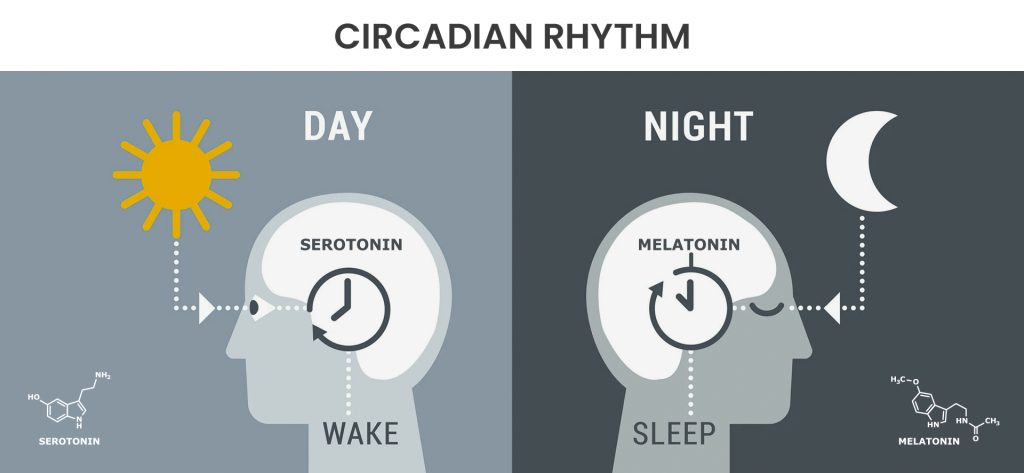
Natural light is essential for our health, aligning us with the day-night cycle called the circadian rhythm. (A circadian cycle, or circadian rhythm, is a natural process that repeats approximately every 24 hours, regulating biological functions in all living organisms. These rhythms are crucial for maintaining the body’s internal clock and aligning physiological processes with the day-night cycle.)
2. Air
Natural ventilation helps eliminate stale indoor air, indoor air pollutants, and unwanted odours, making your home feel fresh and more inviting while reducing the need for artificial air purification systems.
Even the subtlest shifts in airflow, temperature, and humidity, channelled through thoughtfully positioned windows and balconies, can breathe life into a home, making it feel more natural and vibrant. So at Modern Spaaces, we design homes where every door, window, and balcony is strategically placed to encourage cross-ventilation, creating living spaces that truly come alive.
3. Water
Water features in the environment reduce stress and boost health. Design elements such as fountains, aquariums, or views of bodies of water satisfy our intrinsic attraction to water, particularly when it’s perceived as clean and in motion.
Windmere by Modern Spaaces features only 24 exclusive units, allowing you to enjoy the serene and peaceful surroundings near the tranquil Kasavahalli Lake.
4. Plants
Vegetation, especially in abundance, helps reduce stress and improve productivity. Local, ecologically connected plants have the most impact, creating a rich, natural feel.
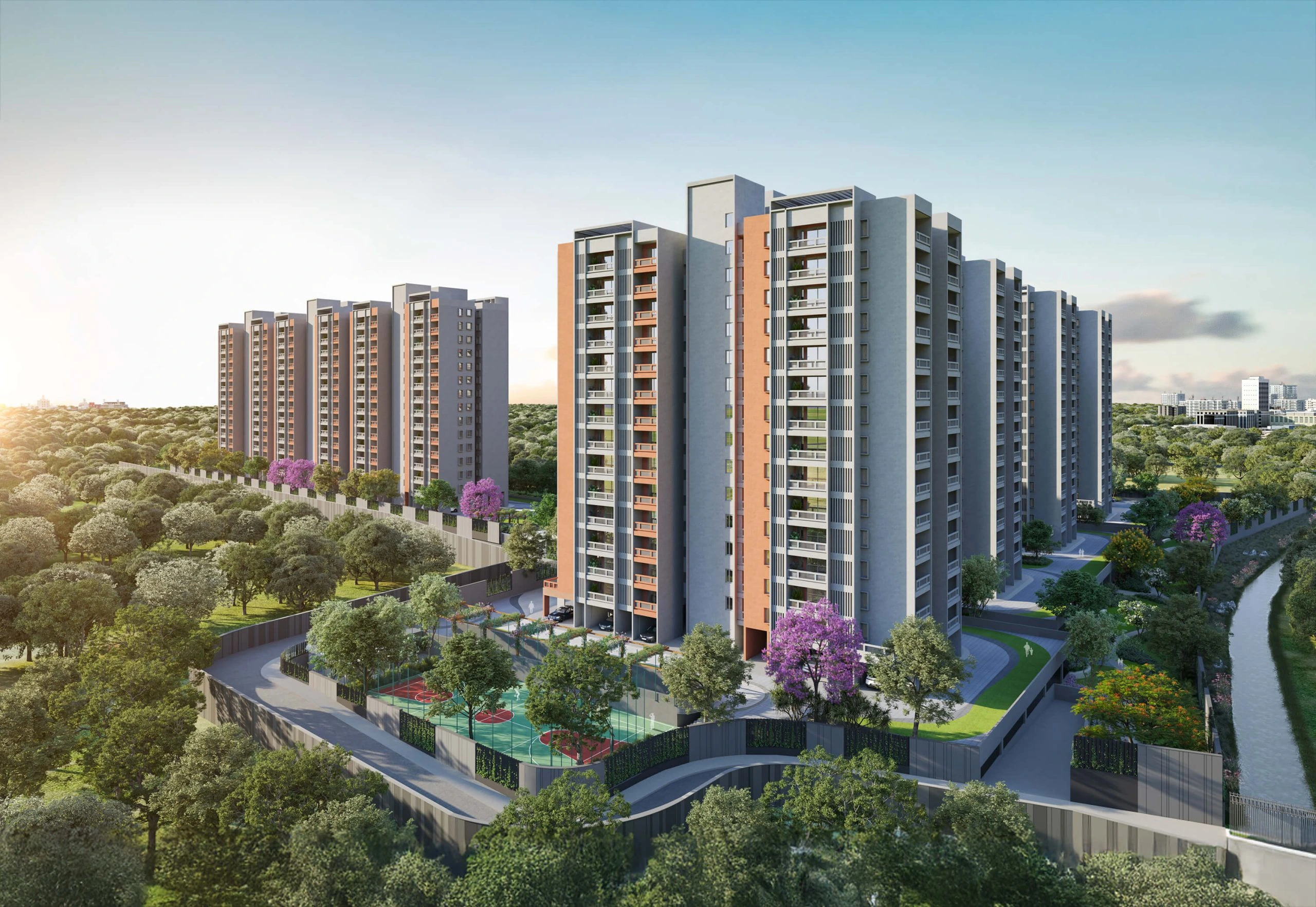
At Modern Spaaces, we foster a biophilic connection with nature for our residents. Each balcony is equipped with a sunken planter, allowing you to embrace greenery. A lush, landscaped community is a key feature of every Modern Spaaces home. Serene Heights, our multi-gen homes, features 280 native trees, standing as a testament to our commitment to a green legacy.
5. Animals
Positive contact with animals, through feeders, gardens, or aquariums, adds life to a space. Diverse local species create a deeper connection to the environment. Incorporating biophilic design, our modern spaaces projects foster a deep, harmonious connection with nature.
At Onyx, a tranquil koi pond serves as a living centrepiece that not only enriches the space with local wildlife but also channels the revered symbolism of the koi in Japanese culture. Celebrated for their ability to swim against the current and overcome obstacles, koi represent strength, courage, and patience, qualities that inspire prosperity and good fortune through perseverance.
6. Weather
Feeling connected to nature starts with how we experience the weather around us. Think about it—large 8-foot windows, balconies, skylights, courtyards, and gardens let you sense the world outside, making your home feel alive and comfortable.
At Modern Spaaces, connecting with nature is a priority. In Soulace Villas, features like skylit planters and central courtyards bring the outdoors closer, while green spaces are an integral part of all our projects.
7. Landscapes
Natural landscapes are preferred over artificial ones. Incorporating elements like green roofs or wetlands provides an immersive, ecologically rich experience.
8. Fire
Controlled fire can evoke comfort and warmth through fireplaces or creative lighting.
Biophilic Design vs Traditional Interior Design
| Biophilic Design | Traditional Design |
| a) Focuses on the human-nature connection | a) Focuses on aesthetics and function |
| b) Uses natural elements | b) Uses synthetic materials |
| c) Improves well-being | c) Limited health impact |
| d) Sustainable approach | d) Often resource-intensive |
Benefits of Biophilic Design
1. Reduces Stress
Natural elements in interiors, such as greenery, the sound of water and natural light, are proven to lower the stress hormone cortisol which boosts our mood positively and enhances well-being. Countless studies every year have reiterated the fact that nature is a potent stress buster that can positively impact mental health.
2. Boosting Creativity
It’s amazing how adding natural elements, like plenty of sunlight, can make a world of difference. Biophilic design helps reduce fatigue, improves focus, and sharpens thinking. By incorporating nature-inspired features into workspaces, we can break free from dull, uninspiring setups and create an atmosphere that sparks creativity and problem-solving. It’s no surprise that so many companies are embracing the biophilic design trend—it’s all about crafting spaces that inspire and make work more enjoyable.
3. Improves Air Quality
Some plants like peace lilies and snake plants do more than beautify your space—they actively purify the air by removing toxins, improving oxygen levels, and enhancing indoor air quality. Cleaner air means fewer respiratory issues, such as allergies or asthma, and promotes overall well-being. Additionally, incorporating natural materials in biophilic design often eliminates harmful chemicals, creating a safer and healthier home or workspace. By combining greenery with toxin-free materials, you can enjoy a visually appealing environment that supports better health and a refreshing indoor atmosphere.
4. Speeding Up Recovery
Research highlights that biophilic design plays a vital role in faster recovery. Those exposed to natural light or views of nature often heal more quickly than those without such connections to the natural world. Bringing these elements into your home can have similar benefits, fostering a calm and stress-free environment that supports recovery from illness. Natural light, in particular, not only strengthens the immune system but also enhances sleep quality, both of which are essential for quicker and healthier recuperation.
How to Incorporate Biophilic Design at Home
1. Add Natural Elements
It’s super easy to bring a touch of nature indoors, and it is very rewarding. Houseplants are great for this. They not only look beautiful, but they also freshen the air and connect you with the great Why not mix in a little material? For example, you could have some wooden furniture, stone countertops, or wool throws to warm up the space and make it feel natural. Even little touches, such as clay pots or wooden picture frames, count.
Want to take it up a notch? Add a water element, perhaps in the guise of a tabletop fountain or even a fish tank. Gently flowing water can ease one’s mind within seconds. Let’s not forget textures- jute rugs, linen curtains, or woven baskets that sublimely evoke the untamed beauty of nature.
2. Maximise Natural Light
Sunlight will lift your mood, regulate sleep, and add an overall happy quality to a home. To enhance natural light, install sheer curtains or adjustable blinds. Use window views as a reason to redesign your furniture layout. Even add skylights to brighten up your living space.
If your home does not get enough sunlight, then some mirrors can do wonders by bouncing light throughout the room. And for darker corners? Use full-spectrum bulbs that mimic natural daylight for that warm, sunlit vibe.
3. Use Earthy Colours
Want to feel like you’re surrounded by nature? Use earthy shades for your walls, like sky blues, forest greens, warm browns, or terracotta. Extend those hues to your rugs, cushions, and upholstery for a natural vibe within your home.
4. Introduce Water Features
The sound of water can induce a sense of calm and peace; it is an element in biophilic design that is often found to be incorporated. Try to include a small fountain or aquariums, which create a calming atmosphere.
5. Play with Textures and Patterns
Nature is full of soft curves and rich textures, and so can your home. Opt for furniture with rounded edges, go for arch-shaped windows or doors, and sprinkle in natural patterns like honeycombs or waves on tiles or cushions. Add textured elements like woven fabrics, smooth stones, or rough ceramics to create a space that feels alive and inviting. With these simple changes, the home will become a biophilic retreat: a place in which nature, comfort, and harmony come together to nourish one’s mind and soul.
Conclusion
In a world that is increasingly urbanised and disconnected from nature, biophilic design offers a bridge back to our roots. By blending natural elements with innovative architectural strategies, these homes create spaces that not only look beautiful but also promote health, well-being, and sustainability.
At Modern Spaaces, we believe in creating homes that go beyond walls and ceilings to foster a deeper connection with nature. With our commitment to biophilic design principles, we create living spaces that not only prioritise comfort and functionality but also promote a healthier and more sustainable way of life. Through features such as green facades, panoramic views, private gardens, and sustainable building practices, we ensure that every home has a biophilic advantage.
FAQs (Frequently Asked Questions)
1. What is biophilic design?
Biophilic design is an architectural and interior design approach that strengthens the human-nature connection. It incorporates natural elements such as light, air, greenery, and natural materials to create spaces that promote well-being and foster a connection to nature.
2. Why is biophilic design important?
It reduces stress, improves health, and enhances quality of life.
3. What are the key features?
Natural light, ventilation, greenery, water elements, and natural materials.
4. How can I apply it at home?
Add plants, maximise sunlight, use natural materials, and incorporate earthy tones.
Read our Latest Blogs

15 Packing and Moving Tips in Bangalore for a Stress-Free House Shift

Lifestyle & Design Inspiration
- September 24, 2026
- 24 min read

Under-Construction Property Buying Checklist: 15 Things to Check Before You Buy in Bangalore
Buying & Investing Insights
- September 18, 2026
- 21 min read
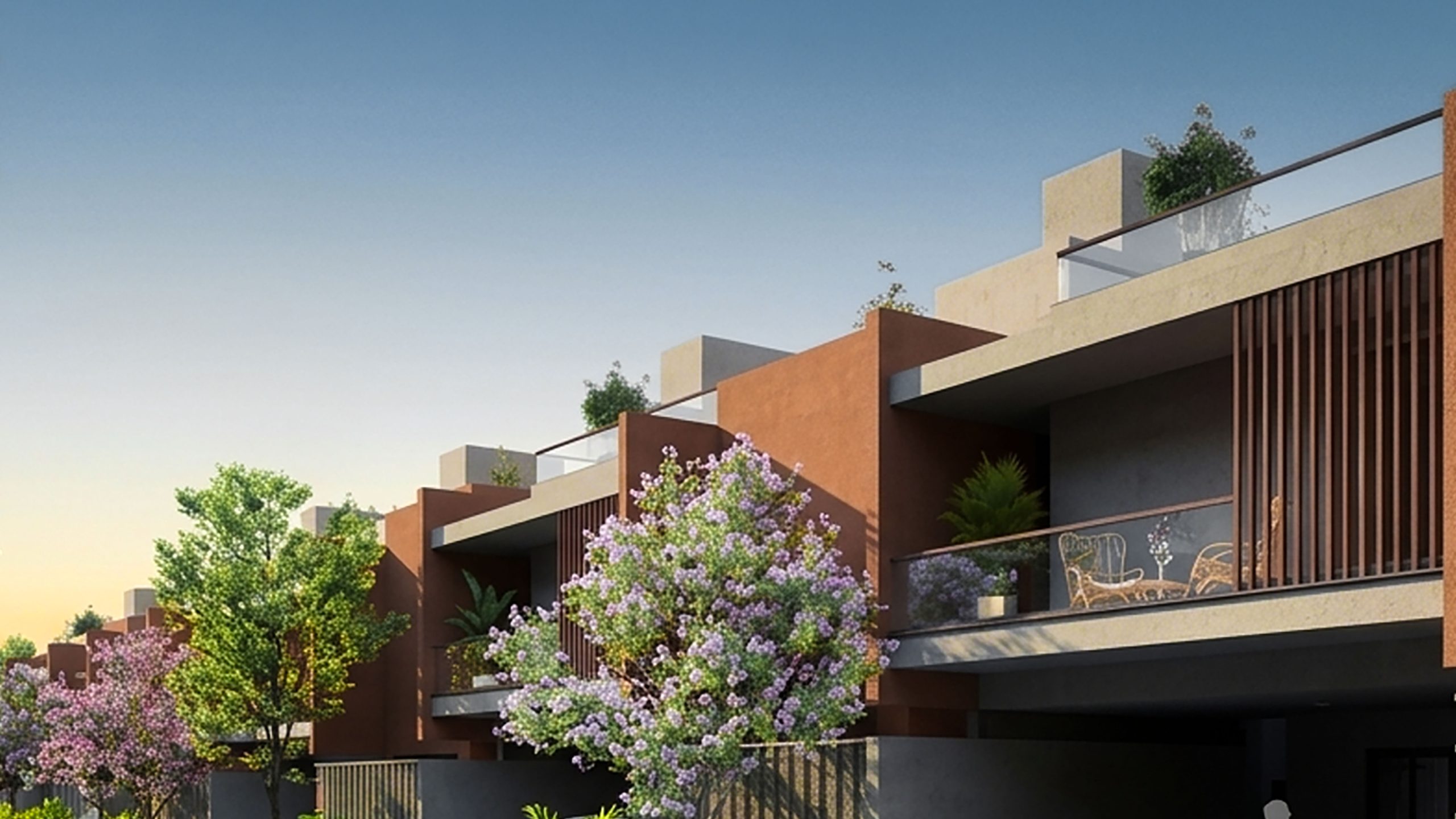
Soulace Villas: Where Space, Privacy and Community Come Together
Featured Property
- September 11, 2026
- 20 min read

Explore Projects
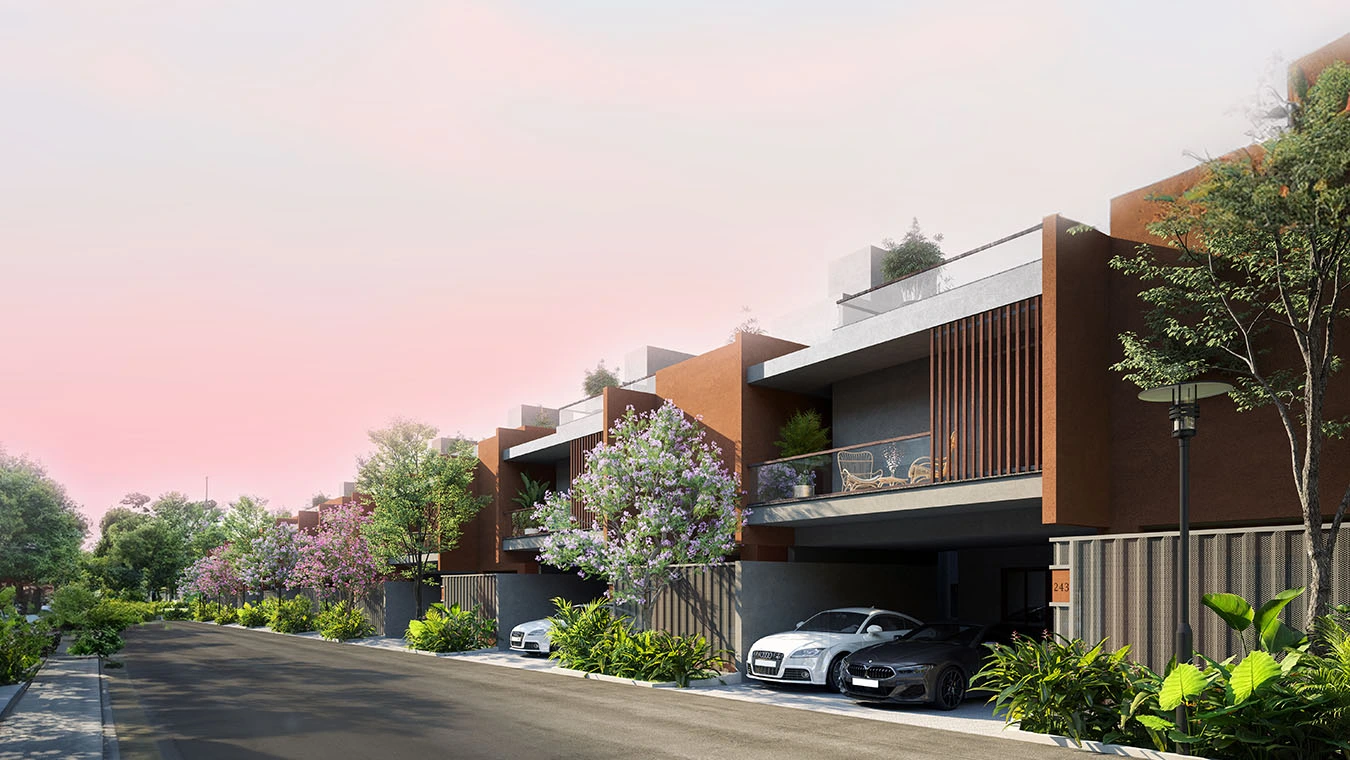

Independent 4 & 5 BHK Villas
starts @ 5 Cr


Sarjapur’s Exclusive 3 BHK Community
starts @ 1.8 Cr

Multi-Gen 2 & 3 BHK Homes
Starts @ 1.87 Cr
Refer & Earn Up to 2%

Invite your friends to explore Modern Spaaces and earn up to 2% of the home value they buy.

Find your Dream Home. Let's talk
Tell us a bit about what you're looking for. One of us will get back to you!