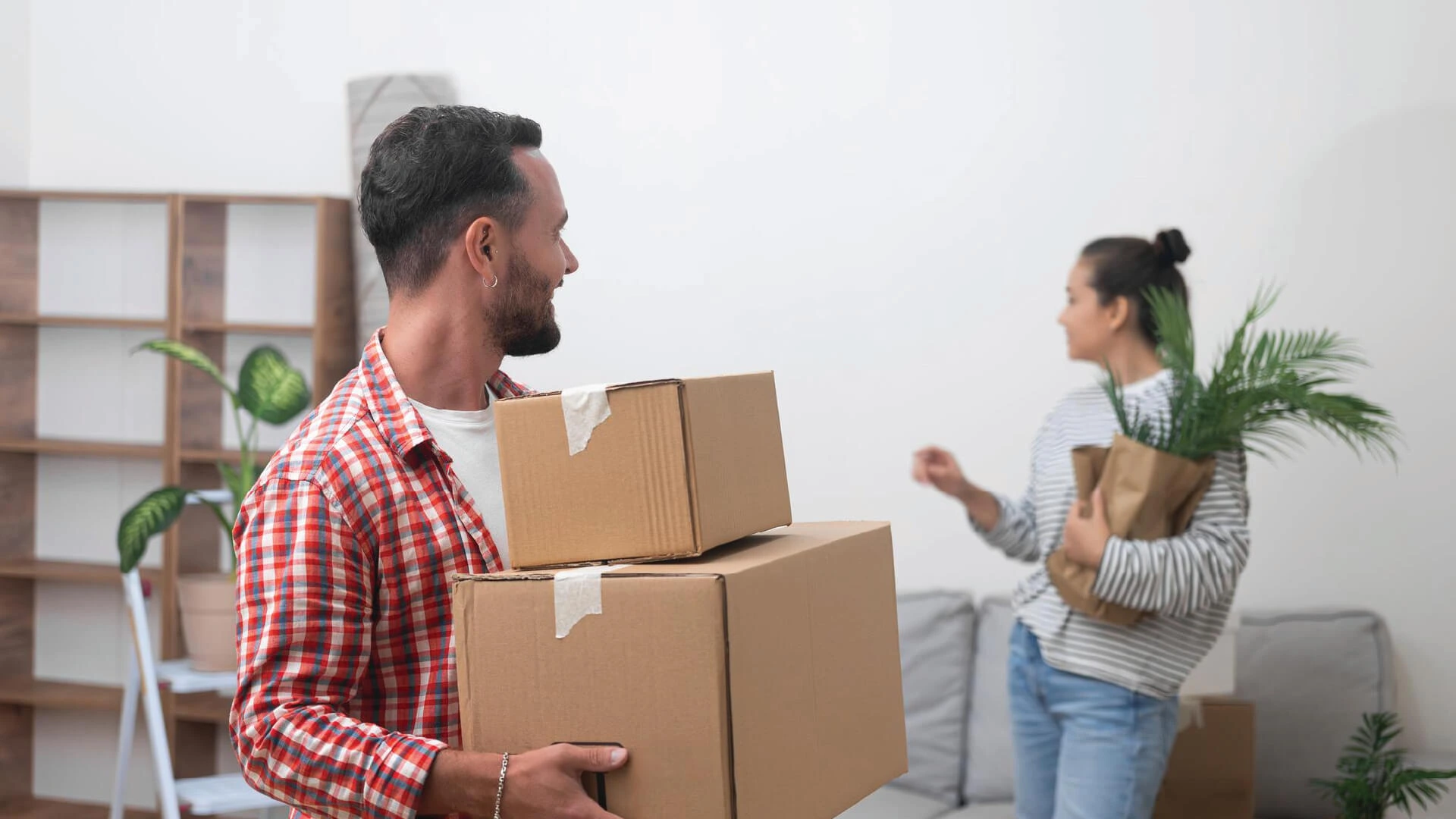
15 Packing and Moving Tips in Bangalore for a Stress-Free House Shift

Lifestyle & Design Inspiration
- September 24, 2026
- 21 min read
Introduction
Found your dream home? Congratulations! But before you settle into your new space, there’s one big task to tackle: packing and moving.
Whether you’re shifting to a new apartment in Bangalore or moving into an independent home, house shifting can quickly become overwhelming without proper planning. From organising your belongings and hiring packers and movers to protecting fragile items and managing moving day, every little detail matters.
The good news? With the right packing and moving tips, you can save time, reduce unnecessary expenses and make your move far less stressful.
This practical house shifting checklist covers everything you need to know, from preparing for the move to unpacking and settling into your new home.

1. How to Prepare for Moving House in Bangalore
A successful house shift begins well before moving day. Planning helps you stay organised and avoid last-minute confusion.
You’ll need:
- Cardboard boxes in different sizes
- Packing tape and permanent markers
- Bubble wrap, newspaper and packing paper
- Plastic bags and zip-lock pouches
- Old blankets, towels and clothes for cushioning
- A utility knife and scissors
- A handcart for moving heavy boxes
Find Free Packing Materials in India: Smart Indian Jugaad for Moving
- Ask local grocery stores for boxes
- Check furniture shops for packaging material
- Use old clothes, towels, and foam sheets to add cushioning in boxes.
2. Create a Moving Checklist
A moving checklist helps you track every task, from booking movers to unpacking your essentials.
Create a dedicated moving folder or binder to store:
- Packers and movers quotations
- Receipts and payment records
- Inventory of household belongings
- Moving company contact details
- Property-related documents
- Important moving dates and reminders
You can also use a digital checklist to track your progress and make updates on the go.
3. Declutter Before Packing
Moving is the perfect opportunity to declutter your home. Instead of packing everything you own, take some time to decide what you actually need.
The KonMari Method, developed by Marie Kondo, encourages organising belongings by category and keeping items that bring joy. Start with clothes, books, papers, household items and sentimental belongings. Set aside anything you no longer use.
Decluttering before a house shift can reduce the number of boxes you need, simplify unpacking and potentially lower moving costs.
*The KonMari Method by Marie Kondo encourages tidying by category, not location, and focuses on keeping only items that “spark joy.” You follow a specific order: clothes, books, papers, miscellaneous items, and sentimental objects. If an item no longer brings joy, thank it and let it go to create a clutter-free, joyful space.
4. Donate Unwanted Belongings
Not everything you declutter needs to be thrown away.
Clothes, books, bags and household items in usable condition can be donated to local charities or organisations and community initiatives. This is a simple way to give your belongings a second life while making your move lighter and more organised.
Tip: Donate unwanted stuff- consider giving to NGOs like Goonj, HappieeSouls, Mrithunjay Foundation or find a local organisation in need. Don’t let unused clothes, books, and bags take up valuable space; instead, you can bring happiness to someone in need.
5. Find Free Packing Materials
Looking for budget-friendly house shifting tips in India? Reusing packing materials can help reduce moving expenses.
Try these simple ideas:
- Ask local grocery stores for spare cardboard boxes.
- Check furniture shops for packaging materials.
- Use old clothes, towels and bedsheets as cushioning.
- Reuse sturdy cartons and storage containers you already own.
Just make sure all reused boxes are clean, dry and strong enough to hold their contents.
6. When Should You Book Packers and Movers?
If you’re planning to hire professional packers and movers in Bangalore, booking early can make your house shift easier to manage.
Ideally, book your movers 2–4 weeks before moving day. During busy periods, you may need to plan even earlier.
Moving dates around popular Griha Pravesh (housewarming) occasions and auspicious Hindu calendar months, such as Magha, Phalguna, Vaisakha and Jyeshtha, may be in high demand.
If your moving date is flexible, consider shifting on a weekday or around the middle of the month. These dates may offer more competitive rates, depending on demand and the moving company.
How to Choose Packers and Movers in Bangalore
When comparing house shifting services, don’t base your decision on price alone.
Consider the following:
- Customer reviews: Check recent reviews and ratings across reliable platforms.
- Written quotations: Compare the services included in each quote.
- Insurance coverage: Ask whether transit insurance is available and what it covers.
- Packing quality: Understand the materials and packing methods used.
- Moving timeline: Confirm pickup, delivery and expected transit times.
- Additional charges: Check for extra costs related to stairs, distance, storage or bulky furniture.
Popular Packers and Movers to Explore
If you’re looking for packers and movers in Bangalore, you can begin your research with:
- Agarwal Packers and Movers
- 1st Choice Packers and Movers
- Anand Packers and Movers
- Porters
- Happy Locate
Compare their current services, coverage, quotations and customer feedback before making a decision. Availability and service quality may vary by location and moving requirements.
Pro tip: Get quotations from at least two or three moving companies and confirm all charges in writing before booking.
What are Practical Packing and Moving Tips: Dos and Don’ts
Packing your home systematically can make a significant difference to your moving experience.
Do’s: What You Should Do When Moving
1. Create a packing schedule
Divide your packing tasks by room and set realistic daily goals. Start with areas you use less frequently and leave everyday essentials for later.
2. Pack non-essential items first
Begin with books, seasonal clothing, decorative pieces, festive decorations and items you don’t use regularly.
3. Label every box clearly
Mention the room, contents and any special handling instructions on each box. This makes it easier for movers to place boxes in the correct rooms.
4. Prepare a first-day essentials box
Keep everyday necessities separate so you don’t have to open multiple boxes immediately after moving.
5. Keep valuables with you
Carry jewellery, cash, important documents, keys and other valuable belongings personally rather than placing them in the moving truck.
Don’ts: What to Avoid When Moving House
- Don’t pack hazardous or flammable materials with regular household belongings.
- Don’t overfill boxes, especially with books or heavy items.
- Don’t use weak or damaged cartons for fragile belongings.
- Don’t leave packing until the last minute.
- Don’t forget to disconnect or transfer utilities and update your address where necessary.
- Don’t pack essential medication or important documents in boxes that will be transported separately.
What Should You Pack First When Moving House?
One of the most common house shifting questions is: Where should I start?
The easiest approach is to pack items based on how frequently you use them.
Start with:
- Books, magazines and decorative items
- Seasonal and off-season clothing
- Extra bedding and linen
- Storage items and rarely used kitchenware
- Items kept in lofts, cupboards and spare rooms
Leave everyday essentials, frequently used kitchen items and daily clothing until closer to moving day.
This approach helps you stay organised without disrupting your daily routine too early.
7. How to Keep Important Documents Safe While Moving
Important documents should always be packed separately from regular household belongings.
These may include:
- Property documents and agreements
- Passports and identity documents
- Bank statements and financial records
- Medical records and prescriptions
- Insurance papers
- Birth certificates and other legal documents
Keep these documents in a dedicated folder or bag that stays with you throughout the move.
Pro tip: Digitise Important Documents
Make copies of essential documents before moving. You can also scan them and store eligible documents securely through DigiLocker, the Government of India’s digital document platform.
Keep physical originals safe and accessible, even if digital copies are available.
8. How to Pack Fragile Items for Moving?
Fragile items need extra care during a house shift. Glassware, crockery, mirrors and decorative pieces can get damaged if they’re not packed properly.
Follow these fragile item packing tips:
- Use small, sturdy boxes that can support the weight of the contents.
- Wrap each item individually using bubble wrap or packing paper.
- Place heavier items at the bottom and lighter items on top.
- Use cardboard dividers for glasses, cups and other delicate items.
- Fill empty spaces with soft cushioning to prevent movement.
- Seal boxes securely and label them as “Fragile”.
Pro tip: Use towels, T-shirts and soft linen as cushioning wherever appropriate. This is a practical way to reuse household items while reducing the need for additional packing materials.
9. How to Pack Electronics Safely for Moving
Electronics require careful handling, especially during long-distance moves.
Whether you’re packing a television, computer, gaming console or home appliance, follow these steps:
- Use the original packaging wherever possible.
- Back up important data before disconnecting devices.
- Remove batteries from applicable devices.
- Label cables and accessories for easy identification.
- Wrap screens and delicate components with suitable protective materials.
- Keep smaller accessories together in clearly labelled bags.
Quick Setup Tip
Take photos of cable connections before disconnecting your electronics. This will help you reconnect everything more easily when you reach your new home.
10. Jewellery and Accessories Packing Tips
Jewellery and small accessories can easily get misplaced during a move.
Use a travel jewellery organiser or small pouches to keep your belongings separated. Pill organisers can also be useful for storing small, non-delicate accessories.
For added security, carry valuable jewellery with you instead of packing it with household items.
You can use small zip-lock bags to organise accessories, but keep valuable items secure and avoid leaving them unattended.
11. Room-by-Room Packing Guide for Moving
Packing one room at a time makes house shifting more manageable. Here’s a simple room-by-room packing checklist to help you get started.
Kitchen and Pantry
- Dispose of perishable or opened food that may spill or spoil.
- Wrap dishes and crockery individually.
- Use dividers to protect glassware.
- Secure appliance cords.
- Pack frequently used kitchen essentials separately.
Living Room
- Wrap mirrors and decorative pieces in protective blankets.
- Protect glass surfaces with suitable packing materials.
- Keep remote controls and accessories together.
- Carry valuables separately.
Bedroom
- Use wardrobe boxes or suitcases for clothing.
- Pack off-season clothes first.
- Cover mattresses with protective sheets or mattress bags.
- Keep everyday clothing and bedding accessible.
Bathroom
- Pack most bathroom items in the final stages.
- Seal liquid containers tightly.
- Place leak-prone products in separate waterproof bags.
- Keep everyday toiletries in your first-day essentials bag.
Home Office
- Label computer cables and accessories.
- Back up important files.
- Pack books in smaller boxes to avoid excessive weight.
- Keep documents and essential work equipment secure.
Pro tip: Use a Colour-Coded Packing System
Assign a different colour to each room. Use matching labels or coloured tape on the boxes to help movers identify where each one belongs.
Combine colour coding with clear written labels so you can locate your belongings quickly during unpacking.
12. Tips for Moving with Children and Pets
Moving house can be a big adjustment for children and pets. A little preparation can help make the transition more comfortable.
How to Move House with Children
1. Prepare a moving day bag
Pack snacks, drinks, favourite toys, books, essential medication and a change of clothes.
2. Create a safe space
Set up a designated area where children can stay comfortably while the movers are working. If possible, arrange for a family member or babysitter to supervise them.
3. Involve them in small tasks
Let children help with simple, age-appropriate activities, such as labelling boxes or packing their toys.
4. Maintain familiar routines
Try to keep regular meal times, nap times and bedtime routines wherever possible.
5. Make the new home exciting
Plan a simple activity, such as a movie night or a picnic in the living room, to help children settle into their new surroundings.
How to Move House with Pets
1. Keep pets in a secure, quiet space
Set aside a familiar room or suitable carrier with their bedding, toys and water, away from the noise and movement.
2. Plan for travel breaks
If you’re travelling with your pet, plan suitable breaks for water, walks and bathroom needs.
3. Carry familiar comfort items
Bring their favourite blanket, bed or toy to help them feel more comfortable.
4. Prepare a quiet space at the new home
Set up a familiar area where your pet can adjust gradually to the new environment.
5. Help them get familiar with the new surroundings
Where practical, introduce your pet to the new home gradually and supervise them as they explore.
13. What Should Be in Your First-Day Essentials Box?
After a long moving day, the last thing you want is to search through multiple boxes for everyday necessities.
Prepare a clearly labelled first-day essentials box containing:
- Toiletries and personal care items
- A change of clothes for each family member
- Bedsheets and pillowcases
- Towels
- Basic kitchen items, cups and cutlery
- Tea, coffee, snacks and drinking water
- Essential medication
- Phone chargers
- Basic tools and scissors
- Important documents and keys
Keep this box accessible throughout the move. Ideally, transport essential personal items separately so they’re easy to reach when you arrive.
14. Step-by-Step Unpacking Guide After Moving
Once you reach your new home, unpacking can feel like another big project. Instead of opening every box at once, follow a simple plan.
Step 1: Create an Unpacking Plan
Start by identifying the rooms and items you need to set up first. Prioritise essentials such as bedding, toiletries and basic kitchen supplies.
Step 2: Unpack Room by Room
Focus on one room at a time. Begin with frequently used spaces such as the bedroom, kitchen and bathroom.
Step 3: Set Up Essential Furniture
Arrange beds, sofas and dining furniture first. Having functional spaces ready will make your first few days more comfortable.
Step 4: Organise as You Unpack
Use the unpacking process as an opportunity to organise your belongings. Set up storage solutions, shelves and baskets as needed.
Avoid unpacking everything without a plan, as this can create unnecessary clutter.
Step 5: Involve the Whole Family
Assign simple tasks to family members or roommates. Working together can help make unpacking quicker and more manageable.
Step 6: Celebrate Your Progress
You don’t have to finish everything in one day. Take time to appreciate your new home and enjoy the process of making it your own.
15. Moving Into a New Home? Here’s How Modern Spaaces Can Help
Finding the right home is only the beginning of your homeownership journey. Moving in, unpacking and setting up your space are the next steps towards making it feel like your own.
At Modern Spaaces, we believe a home should offer more than just four walls. It should provide room for your aspirations, everyday comfort and meaningful moments with the people who matter.
With thoughtfully planned residential communities in Bangalore, Modern Spaaces focuses on creating homes that bring together functionality, community living and attention to detail.
Whether you’re moving into your first apartment or upgrading to a larger home for your growing family, the right living space can make settling in feel that much more rewarding.
Explore Modern Spaaces residential projects to discover homes designed around the way people live.
Conclusion: Make Your Next House Shift a Smooth One
Moving into a new home doesn’t have to be a stressful experience. With a little planning, smart packing and an organised moving checklist, you can make the entire process easier to manage.
From decluttering before packing and choosing reliable packers and movers to protecting fragile items and preparing a first-day essentials box, every small step can make a difference.
Remember, moving isn’t just about transporting belongings. It’s about beginning a new chapter.
Take your time, stay organised and enjoy making your new house feel like home.
Frequently Asked Questions (FAQs)
1. How far in advance should I book packers and movers?
It’s generally advisable to book packers and movers 2–4 weeks before your moving date. During peak moving periods or around popular housewarming dates, booking earlier can help you secure your preferred date.
2. What should I pack first when moving house?
Start with items you rarely use, such as books, seasonal clothing, decorative pieces and extra bedding. Pack everyday essentials closer to moving day.
3. How can I reduce house shifting costs?
Declutter before packing, reuse sturdy packing materials, compare quotations from multiple moving companies and consider flexible moving dates. Confirm all charges before booking.
4. How do I protect fragile items during a move?
Wrap fragile items individually, use sturdy boxes, add cushioning to empty spaces and label boxes clearly. Avoid overfilling cartons and place heavier items at the bottom.
5. What should I keep in my first-day essentials box?
Include toiletries, clothes, bedsheets, towels, basic kitchen supplies, medication, chargers, drinking water and essential tools. Keep the box easily accessible.
6. How do I choose reliable packers and movers in Bangalore?
Compare written quotations, recent customer reviews, packing services, transit insurance options and delivery timelines. Confirm the final price and services in writing before booking.
7. How can I make moving house easier for children and pets?
Prepare separate moving day essentials, maintain familiar routines and create a safe, quiet space away from the moving activity. Help them adjust gradually to the new environment.
8. What should I do immediately after moving into a new home?
Check that your belongings have arrived, inspect furniture and fragile items, set up essential furniture, unpack daily-use items and confirm that utilities are working. Then begin organising the remaining rooms at your own pace.
Read our Latest Blogs
15 Packing and Moving Tips in Bangalore for a Stress-Free House Shift

Lifestyle & Design Inspiration
- September 24, 2026
- 24 min read
Under-Construction Property Buying Checklist: 15 Things to Check Before You Buy in Bangalore
Buying & Investing Insights
- September 18, 2026
- 21 min read

Soulace Villas: Where Space, Privacy and Community Come Together
Featured Property
- September 11, 2026
- 20 min read

Explore Projects


Independent 4 & 5 BHK Villas
starts @ 5 Cr



Sarjapur’s Exclusive 3 BHK Community
starts @ 1.8 Cr


Multi-Gen 2 & 3 BHK Homes
Starts @ 1.87 Cr
Refer & Earn Up to 2%

Invite your friends to explore Modern Spaaces projects and earn up to 2% on every successful booking.

Find your Dream Home. Let's talk
Tell us a bit about what you're looking for. One of us will get back to you!