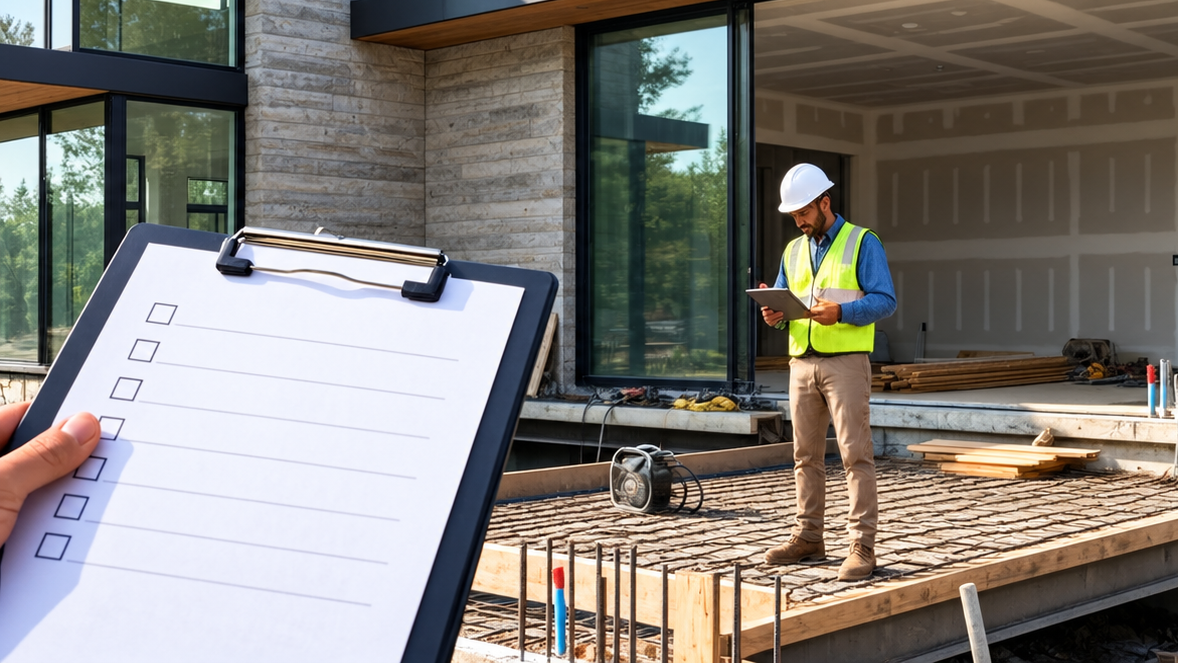
Under-Construction Property Buying Checklist: 15 Things to Check Before You Buy in Bangalore

Buying & Investing Insights
- September 18, 2026
- 10 min read
Planning to buy an under-construction property in Bangalore?
According to a JLL report, around 90% of property sales in Bangalore involve under-construction projects, including pre-launch offerings, indicating strong buyer confidence in this segment.
However, before booking an apartment, looking at the floor plan, amenities, or launch price alone isn’t enough. It’s equally important to verify the project’s RERA registration, legal approvals, developer’s track record, construction progress, overall cost, Agreement for Sale, expected possession timeline and location.
This under-construction property buying checklist covers the key aspects you should verify before booking a property or making a significant financial commitment.
What Should You Check Before Buying an Under-Construction Property?

Before booking an under-construction property in Bangalore, check:
- RERA registration and project details
- Land title and legal documents
- Statutory approvals and sanctioned plans
- Developer’s track record
- Construction quality and progress
- Possession date and construction timeline
- Agreement for sale
- Complete cost sheet and additional charges
- Home loan eligibility and terms
- Location and connectivity
- Amenities and promised specifications
- Maintenance and post-possession obligations
- Occupancy and completion-related approvals
- Cancellation and delay provisions
- Any legal, financial or regulatory red flags
Let’s look at each of these in detail.
1. Verify RERA Registration and Legal Approvals
One of the first things to check when buying an under-construction property is whether the project has the required registrations and approvals.
For a property in Bangalore, buyers should verify the project details on the Karnataka RERA (RERA Karnataka) portal and compare the information with the documents and commitments shared by the developer.
Check these documents and details:
- RERA registration: Verify the project’s registration number, promoter details, proposed completion date and other project information.
- Title documents: Understand the developer’s legal rights over the land and check for relevant encumbrances or ownership issues.
- Sanctioned building plan: Check whether the proposed development has received the applicable planning approvals.
- Commencement-related approvals: Verify that the required permissions to commence construction have been obtained, where applicable.
- Land-use approvals: Confirm that the land is permitted for the proposed residential development.
- Environmental approvals: Depending on the size, location and nature of the project, applicable environmental permissions may be required.
- Other statutory approvals: Additional permissions may be required from relevant planning, utility and local authorities.
2. Check the Developer’s Track Record
The project matters, but so does the developer behind it.
A developer’s previous projects can provide useful insights into its approach to construction, project execution, customer service and possession timelines.
Research:
- Completed residential projects
- Delivery and possession record
- Construction quality
- Customer reviews and feedback
- RERA records
- Quality of completed amenities and common areas
- Maintenance and after-sales support
- Material litigation or regulatory concerns, where relevant
If possible, visit a completed project by the developer. Seeing an actual delivered property can give you a better understanding of how the developer’s finished homes compare with the promised specifications.
3. Evaluate Construction Quality and Technology
When buying an under-construction apartment, you cannot inspect the finished home in the same way as a ready-to-move-in property. However, you can still assess the construction approach and specifications.
Ask about:
- Construction technology
- Structural system
- Quality and specifications of materials
- Electrical and plumbing provisions
- Doors and windows
- Flooring
- Waterproofing
- Fire-safety systems
- Lift specifications
- Common-area finishes
- Construction milestones
If a model apartment is available, inspect it carefully. It can help you plan your future home better.
4. Confirm the Construction Timeline and Possession Date
The possession date is one of the most important factors to check when buying an under-construction property.
Don’t rely only on a date mentioned in a brochure, advertisement or sales conversation. Compare the proposed timeline with the project’s RERA details and the possession date specified in the agreement for sale.
Confirm:
- RERA-registered completion timeline
- Contractual possession date
- Current construction progress
- Construction-linked payment milestones
- Applicable grace-period provisions
- Delay-related provisions
- Your rights in case of delayed possession
A clearly documented possession timeline can help you plan your finances, existing accommodation and other commitments.
5. Read the Agreement for Sale Carefully
The agreement for sale defines many of the developer’s and buyer’s contractual obligations.
Before signing, make sure you understand exactly what is included in the purchase.
Check whether the agreement clearly mentions:
- Total sale consideration
- Carpet area
- Payment schedule
- Possession date
- Specifications and finishes
- Amenities and common facilities
- Parking arrangements
- Maintenance-related charges
- Taxes and statutory charges
- Cancellation and refund provisions
- Transfer or assignment conditions
- Delay-related provisions
- Other applicable charges and obligations
6. Calculate the Total Cost
One of the most common mistakes when buying an apartment is comparing projects only on their advertised base price.
The final amount payable can include several additional costs.
Ask for an itemised cost sheet covering:
- Base property price
- GST, where applicable
- Preferential Location Charges (PLC), where applicable
- Floor-rise charges
- Parking charges, where applicable
- Clubhouse or amenity-related charges
- Infrastructure or development charges
- Maintenance deposits or advance maintenance
- Legal or documentation charges, where applicable
- Stamp duty
- Registration charges
- Other applicable statutory charges
Stamp duty and registration charges can also vary depending on the applicable state rules and transaction details.
7. Check Home Loan Eligibility and Financing Terms
If you plan to finance your purchase with a home loan, evaluate both your own eligibility and the project’s lending arrangements.
Check:
- Your loan eligibility
- Credit profile requirements
- Loan-to-value requirements
- Interest rate
- Processing fees
- Construction-linked disbursement
- Pre-EMI implications
- Required documentation
- Lenders associated with the project, if any
8. Evaluate the Location and Connectivity
A home is about more than the apartment itself. The surrounding neighbourhood, connectivity and infrastructure can significantly influence everyday convenience and long-term demand.
When evaluating an under-construction property in Bangalore, consider both current infrastructure and future development.
Check:
- Distance from employment hubs
- Schools and colleges
- Hospitals
- Shopping and retail
- Public transport
- Major roads and highways
- Metro connectivity
- Traffic conditions
- Water availability
- Power infrastructure
- Social infrastructure
- Neighbourhood development
- Planned infrastructure projects
What about future infrastructure?
Future infrastructure can influence the long-term appeal of a location, but buyers should distinguish between projects that are proposed, approved, under construction and operational.
Don’t make a purchase decision based solely on an infrastructure project that has not yet materialised.
9. Compare the Promised Specifications With the Documents
Marketing material can give you an overview of a project, but the contractual documents should be your primary reference for what you are actually purchasing.
Compare the information provided in brochures, websites and sales discussions with the relevant project documentation.
Check:
- Apartment size
- Carpet area
- Number of rooms
- Balcony configuration
- Flooring
- Doors and windows
- Electrical specifications
- Plumbing fixtures
- Kitchen provisions
- Bathroom specifications
- Amenities
- Parking
- Common-area specifications
If a feature is important to you, make sure it is appropriately documented rather than relying only on a verbal commitment.
10. Understand the Amenities and Common Areas
Amenities are an important part of many modern residential projects, but buyers should look beyond the amenities list.
Instead of simply counting the number of facilities, consider whether they are relevant to your lifestyle and how the overall community has been planned.
Evaluate:
- Clubhouse
- Swimming pool
- Fitness facilities
- Children’s play areas
- Sports facilities
- Landscaped spaces
- Walking and jogging areas
- Community spaces
- Parking
- Security infrastructure
- Access and circulation
- Open spaces
11. Understand What Happens After Possession
Your responsibilities don’t end when construction is completed.
Before buying, understand how the transition from developer to homeowners will work and what costs you may have after possession.
Check:
- Formation and handover of the residents’ association
- Common-area maintenance
- Maintenance charges
- Maintenance deposits
- Utility connections
- Individual meters
- Property tax responsibilities
- Parking allocation
- Handover documentation
- Applicable completion or occupancy approvals
- Defect-related obligations
Buyers should also understand the protections available under RERA for structural defects and certain other defects, and how those provisions apply to their specific project.
12. Watch Out for Common Red Flags
Not every issue is necessarily a deal-breaker, but certain signs should prompt additional investigation.
Be cautious if:
- The project lacks the required RERA registration.
- Relevant approvals or documentation are not being shared.
- The developer is unwilling to answer reasonable documentation-related questions.
- The possession timeline is unclear.
- Sales promises are not reflected in the agreement.
- The cost sheet contains unexplained charges.
- You are pressured to make a payment before completing due diligence.
- There are unresolved legal or regulatory concerns.
- The advertised price appears unusually low without a clear explanation.
A lower price is not automatically a better deal. Consider the overall project fundamentals, documentation, execution capability and contractual protections before making a decision.
13. Model Flat Visit
Online research can help you shortlist a property, but a site visit can reveal details that brochures and websites cannot.
During your model flat visit, you can get a fair idea about the kind of home you will live in and plan the interiors.
Observe:
- Current construction progress
- Access roads
- Surrounding development
- Traffic and connectivity
- Drainage
- Nearby buildings and land use
- Construction activity
- Site environment
- Visible quality of workmanship
If possible, visit the surrounding neighbourhood as well. Try to understand what daily life may look like once the project is occupied.
14. Keep All Documents and Payment Records
Property purchases involve multiple documents, conversations and financial transactions.
Maintain a record of:
- Booking form
- Payment receipts
- Cost sheets
- Agreement for sale
- RERA details
- Project brochures
- Specifications
- Correspondence with the developer
- Loan documents
- Relevant approvals and documents provided to you
Keeping organised records can make it easier to refer back to the commitments made during the purchase process.
15. Check availability of offers
During the festive season or promotional periods, developers may offer schemes that can help reduce your upfront cost or make the purchase more manageable. These could include limited-period discounts, flexible payment plans, waived charges, early-possession benefits or other buyer incentives. Before booking, check whether any current offers apply to the property and understand the terms, eligibility and validity period.
Why Choose Modern Spaaces?
At Modern Spaaces, we believe buying a home should be a well-informed and transparent decision.
We provide buyers with the relevant project-related documentation, legal information and applicable approvals associated with our projects, helping them understand the property they are considering.
This includes relevant information relating to:
- RERA registration
- Project approvals
- Project documentation
- Month on month construction updates
- Applicable specifications
- Other relevant project information
We encourage homebuyers to conduct their own due diligence and seek independent legal or financial advice wherever required.
Whether you are buying an apartment for your family or evaluating a property as a long-term investment, understanding the details before you commit is an essential part of the home-buying journey.
Conclusion
An under-construction property can be an attractive way to buy your dream home, but it also comes with its own advantages and risks. Before deciding, take time to research the project, evaluate its location and market trends, and review the developer’s track record. If you are considering a pre-launch or under-construction property, carry out thorough due diligence to understand the potential risks and ensure that the project has the necessary approvals, clearances and financial backing in place. A well-informed decision can help you choose a property that aligns with your expectations, finances and timeline.
Frequently Asked Questions About Buying an Under-Construction Property
1. What should I check before buying an under-construction property in Bangalore?
Before buying, verify the project’s RERA registration, legal title, statutory approvals, developer track record, construction progress, possession timeline, agreement for sale, complete cost sheet and location. You should also understand the payment schedule, financing terms and post-possession costs.
2. Is RERA registration mandatory for an under-construction property?
Projects that fall within the scope of the Real Estate (Regulation and Development) Act, 2016 generally need to be registered with the applicable state RERA authority before being marketed and sold, subject to statutory exemptions. Buyers should verify the project’s registration directly through the relevant RERA portal.
3. How can I check RERA registration for a property in Bangalore?
For a project in Bangalore, buyers can check its registration details through the Karnataka RERA portal. Compare the registered project information, promoter details and completion timeline with the information provided by the developer.
4. What documents should I check before buying an apartment?
Depending on the project, important documents can include title and land records, RERA registration, sanctioned plans, commencement-related approvals, environmental approvals where applicable, project approvals and the agreement for sale. The exact documentation varies by project and jurisdiction.
5. How can I check if a builder is trustworthy?
Review the developer’s completed projects, delivery record, construction quality, customer feedback, RERA records and any material legal or regulatory concerns. Visiting completed projects can also help you assess the quality of the developer’s execution.
6. What is the difference between carpet area and super built-up area?
Carpet area generally refers to the net usable floor area within an apartment, subject to the statutory definition under RERA. Super built-up area may include the apartment’s proportionate share of common areas. Buyers should understand the legally defined carpet area and what is included in any quoted area before comparing properties.
7. What are the hidden costs when buying an under-construction property?
Additional costs may include GST, parking charges, floor-rise charges, preferential-location charges, maintenance deposits, infrastructure or development charges, stamp duty and registration fees, depending on the project and transaction. Always request a complete itemised cost sheet before booking.
8. Is GST applicable when buying an under-construction apartment?
GST can apply to the purchase of an under-construction property, subject to the applicable tax rules, transaction structure and exemptions. Buyers should confirm the applicable treatment for their specific transaction before making a payment.
9. Can I get a home loan for an under-construction property?
Yes. Eligible buyers can generally obtain home loans for under-construction properties. Loan disbursement may be linked to construction progress, although the terms, interest rates and repayment structure vary between lenders.
10. Is an under-construction property a good investment?
An under-construction property can be suitable for some buyers when the project has strong fundamentals, a credible developer, transparent documentation, sensible pricing and a location with sustained demand. However, buyers should also consider construction, delivery and market risks before investing.
11. What should I check during a site visit?
Check the project’s construction progress, visible workmanship, access roads, drainage, surrounding development, nearby infrastructure and overall site environment. If possible, an independent civil engineer or architect can provide a more detailed assessment.
12. What is the most important thing to check before booking an under-construction property?
There is no single factor that determines whether a property is right for you. Buyers should evaluate RERA registration, legal title, developer credibility, construction progress, total cost, contractual possession date, agreement terms and location together before making a substantial financial commitment.
13. Is it safe to buy an under-construction property?
An under-construction property can be a suitable purchase when buyers conduct proper due diligence. Checking RERA registration, legal documentation, approvals, developer track record, construction progress, agreement terms and total costs can help reduce avoidable risks.
Read our Latest Blogs
Under-Construction Property Buying Checklist: 15 Things to Check Before You Buy in Bangalore

Buying & Investing Insights
- September 18, 2026
- 21 min read
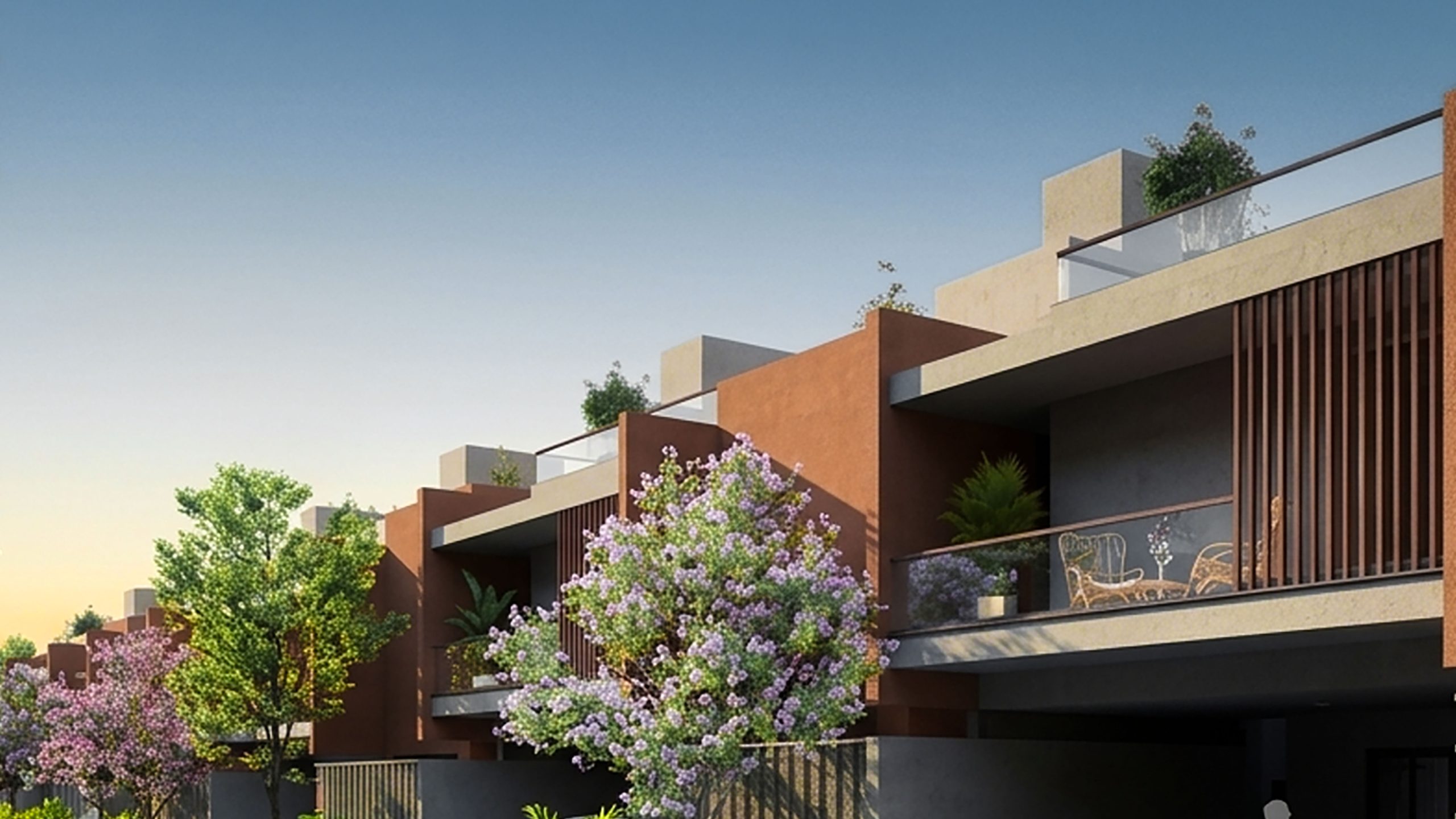
Soulace Villas: Where Space, Privacy and Community Come Together
Featured Property
- September 11, 2026
- 20 min read

Aluform Construction Explained: How Mivan Technology Works in Modern Buildings
Real Estate Basics
- September 9, 2026
- 17 min read

Explore Projects
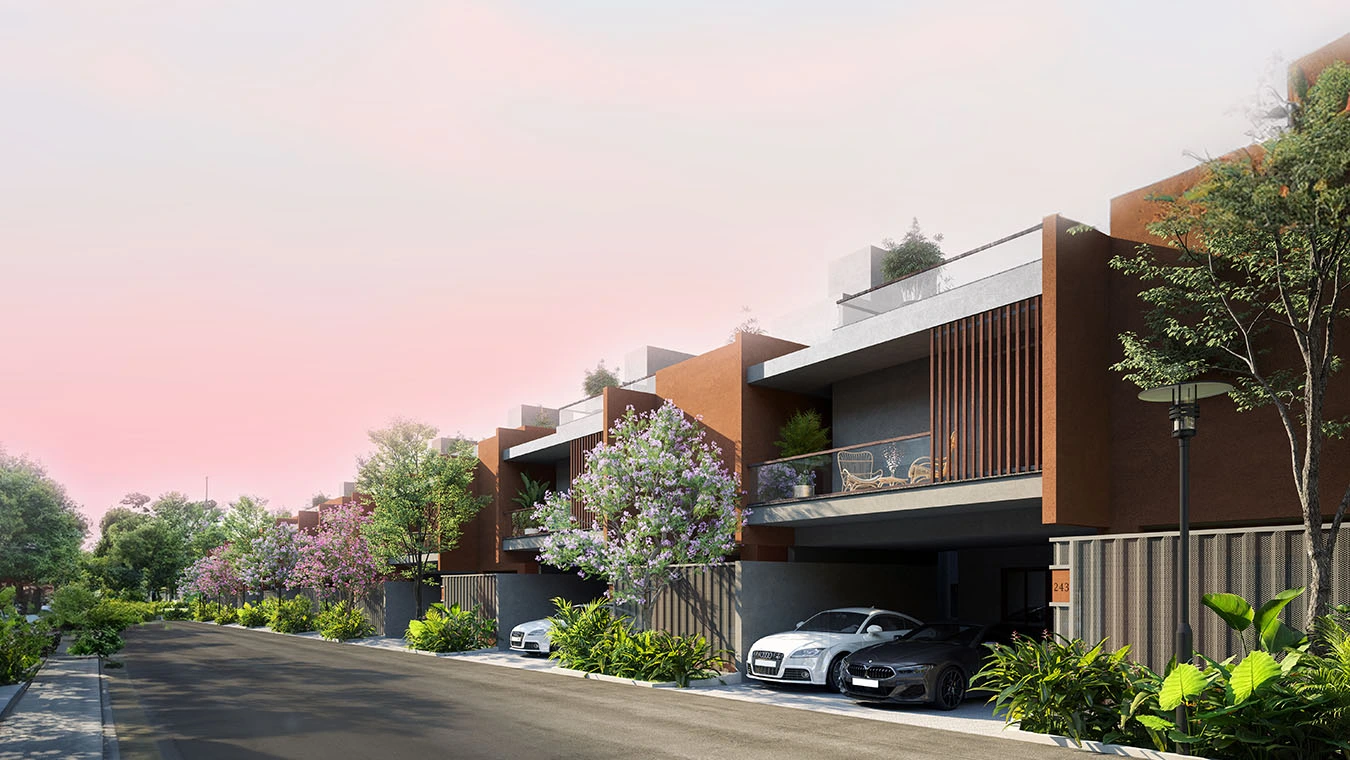

Independent 4 & 5 BHK Villas
starts @ 5 Cr

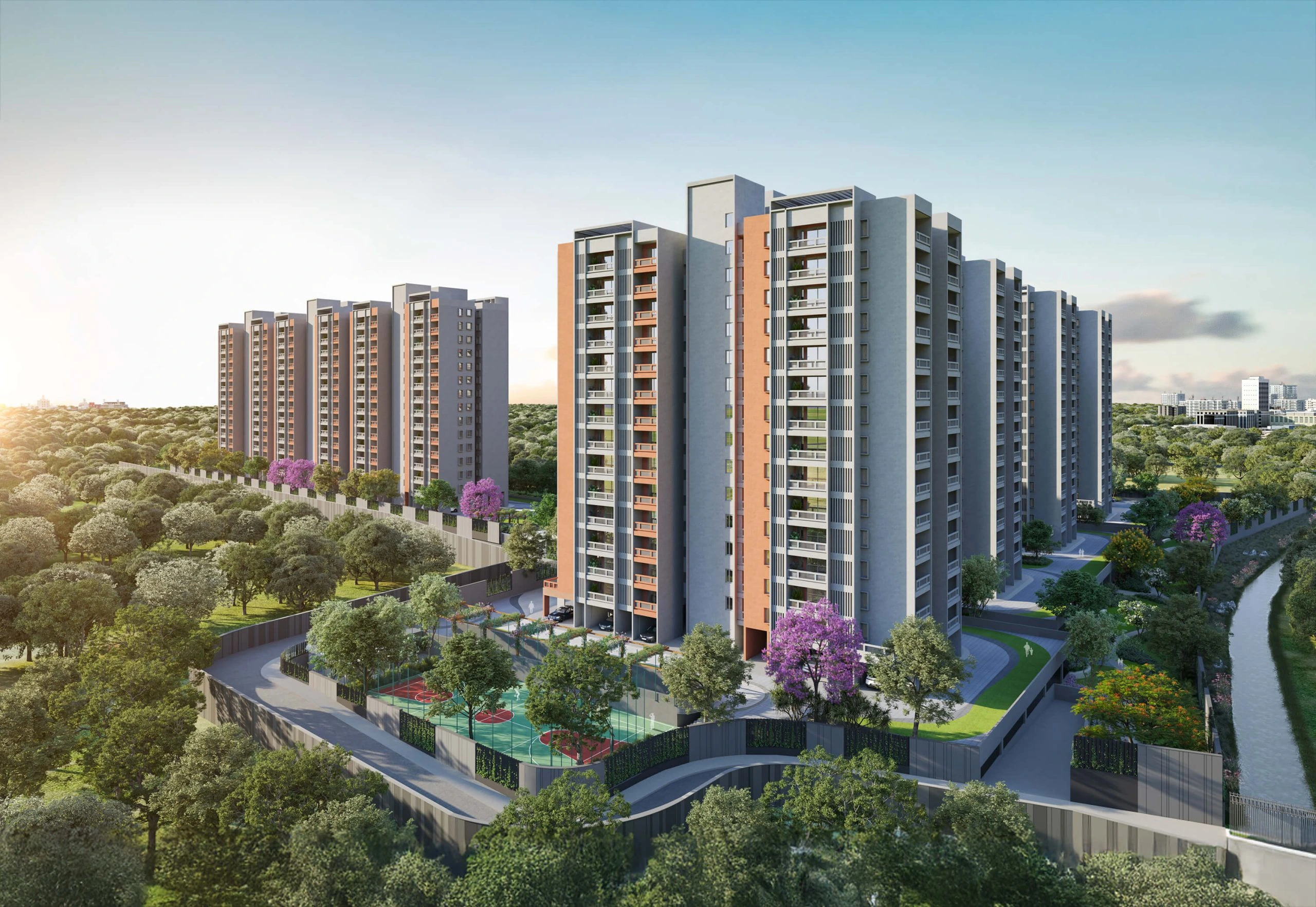
Sarjapur’s Exclusive 3 BHK Community
starts @ 1.8 Cr

Multi-Gen 2 & 3 BHK Homes
Starts @ 1.87 Cr
Refer & Earn Up to 2%

Invite your friends to explore Modern Spaaces and earn up to 2% of the home value they buy.

Find your Dream Home. Let's talk
Tell us a bit about what you're looking for. One of us will get back to you!