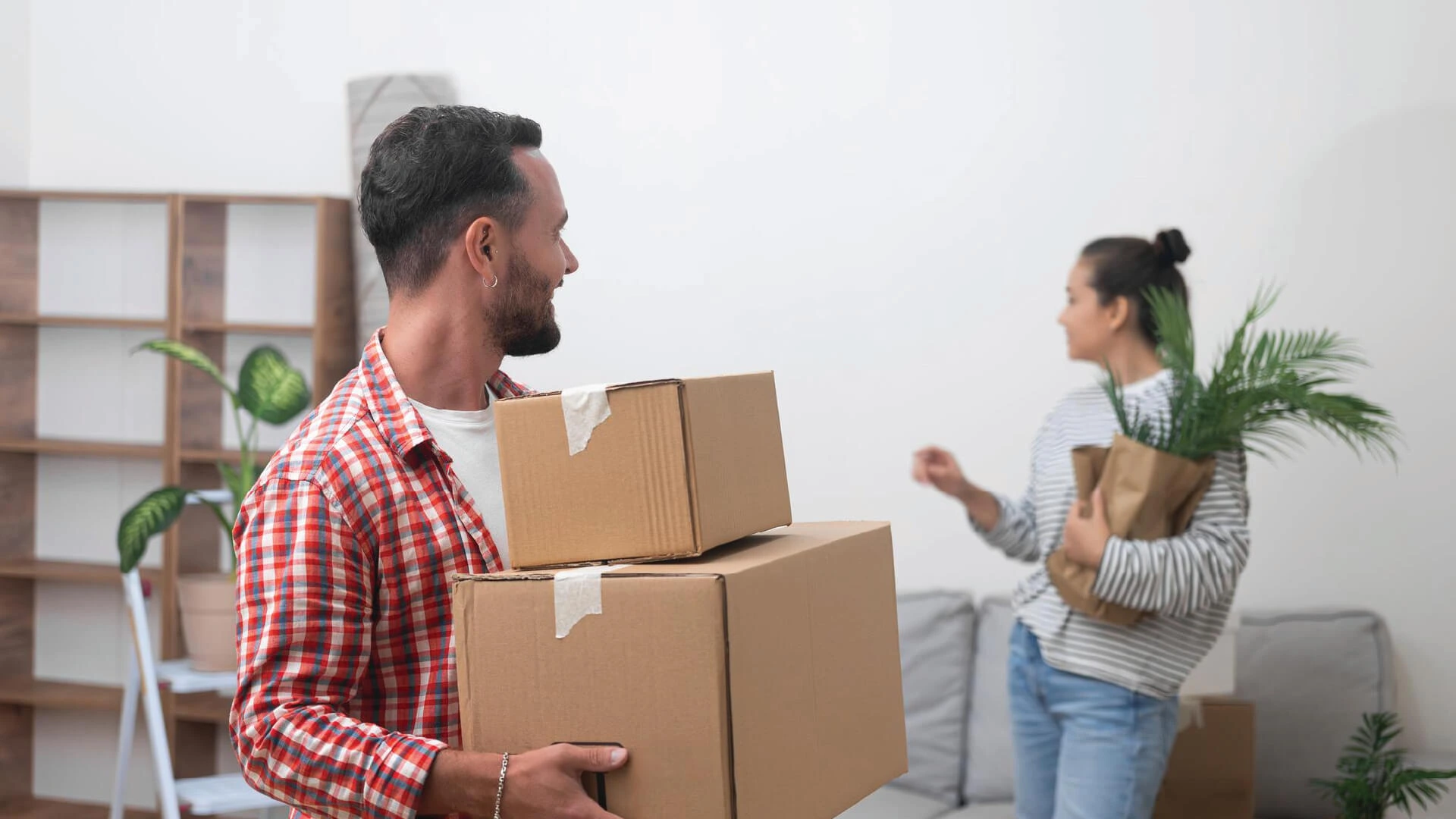
Packing and Moving Tips: The Ultimate Step-by-Step Guide for a Stress-Free Move (India Edition)

Lifestyle & Design Inspiration
- August 21, 2025
- 21 min read
Introduction
You’ve found your dream home, but packing and moving feel like a buzzkill. Whether you’re shifting within the city or moving to a new home, having the right packing and moving tips can save time, money, and stress. From organising your belongings to protecting fragile items and managing moving day chaos, this blog covers everything you need for a smooth and hassle-free move.
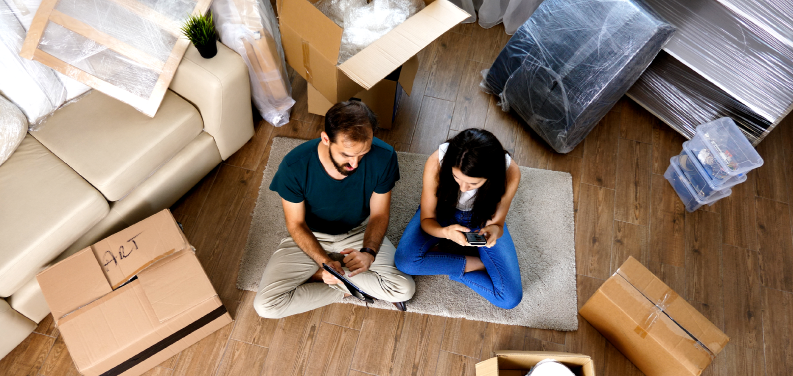
How to Prepare for Moving House
1. Gather Packing Supplies: Stock up on boxes (various sizes), packing tape, a utility knife, permanent markers, plastic bags, blankets, bubble wrap/newspaper, and a handcart for heavy lifting.
2. Create a Moving Binder: Keep all documents in one place to stay organised throughout the process. Use it to keep track of estimates, receipts, and a detailed inventory of everything you’re moving. This will help you effortlessly track your packing progress.
3. Declutter Before Packing: Use the KonMari* method to tidy up your space! Sort through your belongings and donate items that no longer bring you joy. Not only will this create more room in your new home, but it can also reduce your moving costs.
4. Donate unwanted stuff: Consider giving to NGOs like Goonj, HappieeSouls, Mrithunjay Foundation or find a local organisation in need. Don’t let unused clothes, books, and bags take up valuable space; instead, you can bring happiness to someone in need.
*The KonMari Method by Marie Kondo encourages tidying by category, not location, and focuses on keeping only items that “spark joy.” You follow a specific order: clothes, books, papers, miscellaneous items, and sentimental objects. If an item no longer brings joy, thank it and let it go, creating a clutter-free and joyful space.
5. Find Free Packing Materials (Smart Indian Jugaad)
- Ask local grocery stores for boxes
- Check furniture shops for packaging material
- Use old clothes, towels, and foam sheets to add cushioning in boxes.
When Should You Book Packers and Movers?
Book at least 2–4 weeks in advance, especially during peak seasons:
Popular moving dates, especially those before auspicious Griha Pravesh dates and during Magha (January-February), Phalguna (February-March), Vaisakha (April-May), and Jyeshtha (May-June), tend to get booked quickly, so plan and book earlier to avoid disappointment.
How to Get Better Rates?
Another way to increase your chances of securing a good deal is to consider moving on weekdays or mid-month when these periods are less busy. This flexibility can often lead to lower rates, as moving companies may offer more competitive prices. Additionally, booking early often comes with discounts or better rates, giving you more time to plan and compare quotes.
Popular Movers in India
While there are many reputable packers and movers, here are a few well-known options to get you started:
- Agarwal Packers and Movers
- 1st Choice Packers and Movers
- Anand Packers and Movers
- Porters
- Happy Locate
- Pro-Tip:
Check for reviews and references: Look for online reviews and ask for references from friends or family who have recently moved. This can help you assess the reputation and reliability of different moving companies.
Packing and Moving Tips: Dos and Don’ts
Do’s
1. Plan & Organise: Start by creating a detailed packing schedule and categorising items by room. For example, put together pots and pans in the same box and label them clearly as kitchen items. This approach helps in organisation and makes unpacking easier in your new home.
2. Start with Non-Essentials: Pack as far in advance as possible and begin with non-essential items like books, magazines, festive decorations, home decor items, and other random stuff that you rarely use.
3. Pack First-Day Essentials Separately: Label the essential items you need right away with clear, visible tags. Prioritise easy access to things like sheets, blankets, towels, toiletries, and everyday kitchen tools such as a coffee maker or tea kettle.
What Should You Pack First When Moving?
- Items you rarely use
- Storage items
- Off-season clothes
This helps reduce last-minute stress.
How to Keep Important Documents Safe While Moving?
Packing Important Documents: When you’re moving, it’s super important to keep your essential documents safe, like property papers, passports, bank statements, credit cards, medical records, and any legal documents. Don’t just pack them away with other boxes; keep them handy with you at all times. Trust me, it’s one less thing to stress about!
Pro-Tip:
Copy & Scan: Make photocopies of essential documents like passports, driver’s licence, birth certificates, and bank statements. For added security, scan these documents and store them on Digi-locker.*
*DigiLocker is a secure digital storage platform launched by the Government of India as part of its Digital India initiative. It allows users to store and access important documents electronically, reducing the need for physical copies.
Don’ts
- Don’t pack hazardous materials
- Don’t overfill boxes
- Don’t use weak packing materials
- Don’t forget to notify utilities
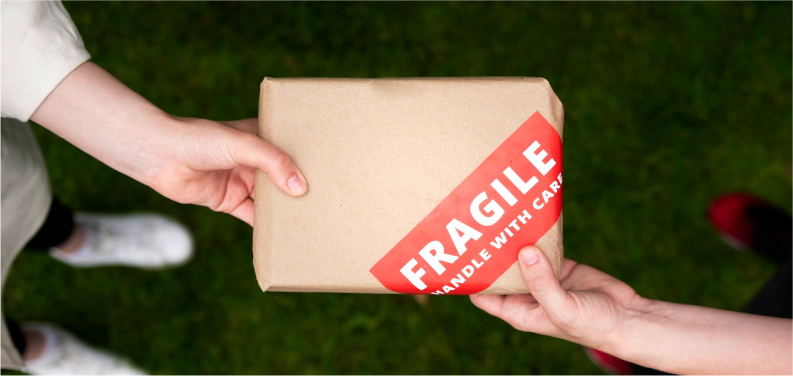
How to Pack Fragile Items for Moving
Follow these steps to avoid damage:
- Prevent breakage by using small, sturdy boxes filled with ample padding.
- Wrap each item individually, securing it with tape.
- Place the heaviest items at the bottom of the box and use dividers for glassware.
- Label boxes as “fragile” and handle them with care.
- Remember, patience is key when packing delicate belongings.
- Pro Tip: Use towels and T-shirts for cushioning, eco-friendly and space-saving.
How to Pack Electronics Safely for Moving?
- Remove batteries
- Label cables with coloured stickers
- Backup important data
- Use original packaging if available
Quick Setup Tip
- Take photos before disconnecting devices
- Unpack one device at a time
Jewellery and Accessories Packing Tips
- Use a travel jewellery organiser
- Store small items in pill boxes
- For extra security, use small pouches and carry your box as hand luggage.
Pro Tip: Use zip-lock bags, leave a small loop outside while sealing.
Room-by-Room Packing Guide for Moving
Kitchen & Pantry
- Dispose of opened food
- Use bubble wrap for dishes
- Secure appliance cords
Living Room
- Wrap mirrors with blankets
- Tape an “X” on glass surfaces
- Keep valuables with you
Bedroom
- Pack clothes in wardrobe boxes
- Use suitcases for loose items
- Cover mattresses with sheets
Bathroom
- Pack last (daily-use items)
- Seal liquid containers tightly
- Use plastic wrap under lids
Home Office
- Label cables
- Avoid heavy boxes
- Keep documents safe
Pro Tip
Colour code: Assign each room a bold, distinct colour to instantly identify where each box belongs. Pair this with clear, detailed labels that mention the contents, weight, and any fragility instructions. This makes it easier to place boxes in the right rooms and unpack them efficiently.
Tips for Moving with Children and Pets
How to move with children?
1. Pack a Moving Day Bag: Prepare a bag with essentials like snacks, drinks, favourite toys, books, essential medicine and a change of clothes to keep them comfortable and entertained.
2. Assign a Safe Space: Set up a designated area in the new home where they can play safely while the moving process is underway. If possible, ask a family member or babysitter to help supervise them during this time.
3. Involve Them in Small Tasks: Give them simple, age-appropriate tasks, like labelling boxes or packing their toys, to keep them engaged.
4. Maintain Routine: Try to keep their routine as normal as possible, with regular meal and nap times to reduce stress.
Plan a Fun Activity: Once you arrive at the new home, plan a small, fun activity like a movie or picnic in the living room to help them feel more settled.
How to move with pets?
1. Secure in a Quiet Space: Keep pets in a quiet, enclosed space with their bedding, toys, and water, away from the commotion of the move. A familiar room or crate can help reduce anxiety.
2. Take Regular Breaks: If you’re travelling with your pet, schedule regular breaks for walks and bathroom needs.
3. Comfort Items: Bring along their favourite blanket, toy, or bed to keep them calm and comfortable during the transition.
4. Plan for Arrival: Set up a quiet space in the new home for your pets to adjust gradually. Introduce them slowly to the new environment to reduce anxiety.
5. Schedule a visit: If possible, take your pets to your new home before the move and give them a tour to help them become familiar with the new space.
What Should Be in Your First-Day Essentials Box?
- Toiletries
- Basic kitchen items
- Clothes
- Bedsheets
- Tools
This saves you from opening multiple boxes on day one.
Step-by-Step Unpacking Guide After Moving
Step 1 – Create a Plan: Before diving into unpacking, develop a clear plan. Prioritise essential items like kitchenware, toiletries, and bedding to keep your daily routines running smoothly.
Step 2 – Unpack Room by Room: Focus on one room at a time, starting with high-usage areas such as the kitchen, living room, and bedrooms. This approach helps you stay organised and see progress as you go.
Step 3 – Set Up Essential Furniture: Begin by arranging essential furniture like beds, sofas, and dining tables. Having these pieces in place creates functional spaces where you can relax and unwind during the unpacking process.
Step 4- Organise as You Go: As you unpack, take the opportunity to organise your belongings. Use storage solutions like bins, baskets, and shelves to keep items neatly arranged and easily accessible.
Step 5- Involve the Whole Family: Make unpacking a team effort by assigning tasks to family members or roommates. Working together can lighten the workload and foster a sense of togetherness.
Step 6- Celebrate Your Progress: Moving and unpacking are significant tasks, so celebrate your milestones. Take time to appreciate the progress you’ve made and the new memories you’re creating in your home.
Conclusion
Moving into a new home can be overwhelming, but with careful planning, organisation, and teamwork, the process can be smooth and rewarding. By following this room-by-room guide, you’ll ensure that your belongings are safely packed, efficiently organised, and quickly accessible in your new space. Embrace the journey, celebrate your progress, and enjoy the excitement of settling into your dream home.
FAQs (Frequently Asked Questions)
Q1: How far in advance should I book movers?
Ans: It’s recommended to book movers at least a few weeks, or even months, in advance, especially during peak moving seasons.
Q2: What essential items should I pack first?
Ans: Pack items you’ll need immediately in a separate box labelled “First Day Essentials.” This might include toiletries, bedding, and kitchen essentials.
Q3: How can I protect my fragile items during the move?
Ans: Use small, sturdy boxes, wrap items individually with bubble wrap, place heavy items at the bottom of boxes, and label boxes as “fragile.”
Q4: How can I make the move easier for my children and pets?
Ans: Prepare your children and pets for the move by involving them in the process and providing a familiar and comfortable environment in your new home.
Read our Latest Blogs

STRR vs PRR Bangalore 2026: Route, Key Differences, Status & Real Estate Impact

Buying & Investing Insights
- August 19, 2026
- 22 min read
GBA vs BBMP: What Bangalore Property Owners Need to Know in 2026
Regulatory & Legal Guide
- August 5, 2026
- 25 min read
Homes in All Sizes: Bangalore Living for Every Budget and Family
Featured Property
- August 5, 2026
- 21 min read

Explore Projects


Independent 4 & 5 BHK Villas
starts @ 5 Cr



Sarjapur’s Exclusive 3 BHK Community
starts @ 1.8 Cr


Multi-Gen 2 & 3 BHK Homes
Starts @ 1.87 Cr
Refer & Earn Up to 2%

Invite your friends to explore Modern Spaaces projects and earn up to 2% on every successful booking.

Find your Dream Home. Let's talk
Tell us a bit about what you're looking for. One of us will get back to you!